


Journey
Oleg Volovei: from barista to bartender at one of the best cocktail bars in town
Co-founder, COO and CTO of That Bartender Project
If you have ever poured a drink away because it came out wrong, or closed a late shift with no system to lean on, you will know this story.
- 100–150cocktails sold a night at Casaroz
- 7of my cocktails are still on the Casaroz menu
- Developerof Cocktail Architect
My first workplace
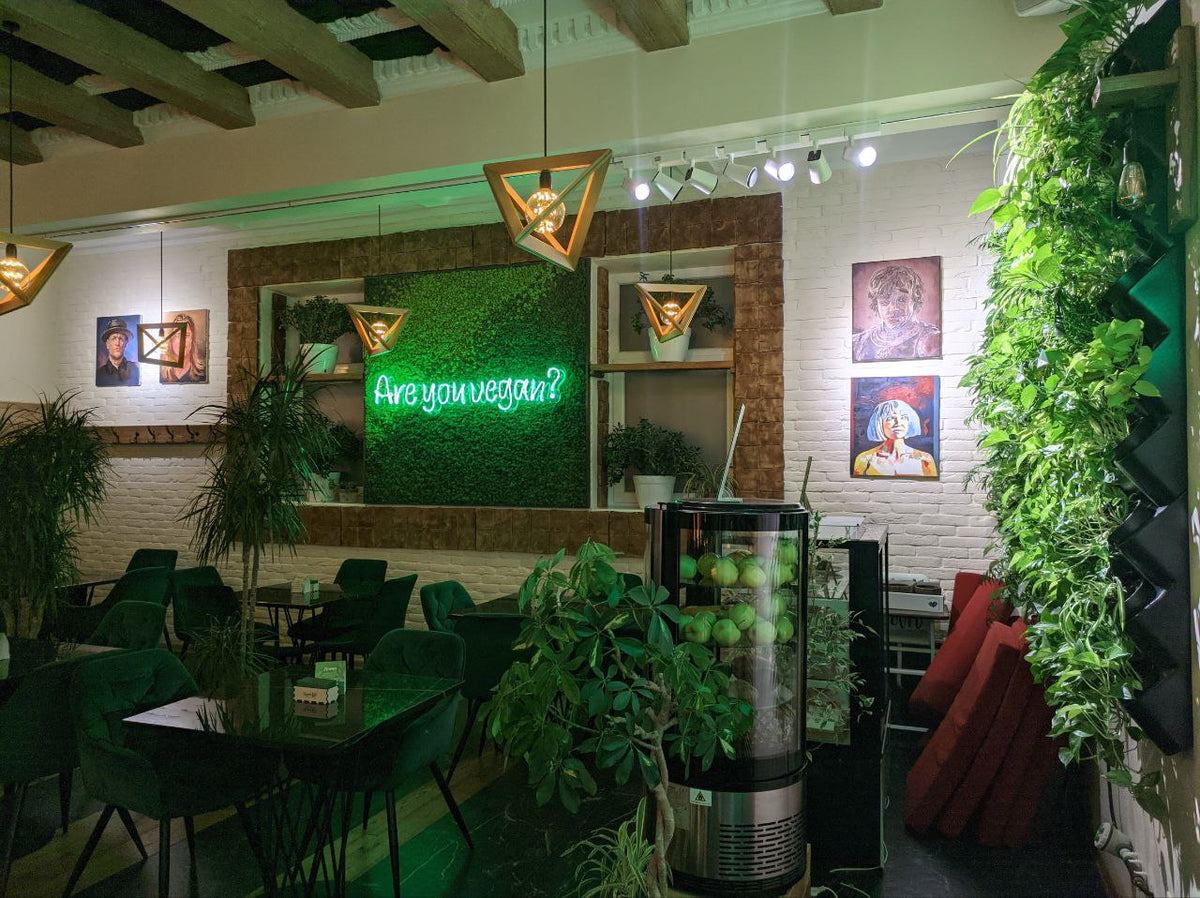
In May 2022 I had just finished college and was picking up the occasional shift as a loader. I never thought I'd end up behind a bar... It happened quite spontaneously: a friend suggested I take his place at the Organic Life cafe as a sort of barista, and I agreed.
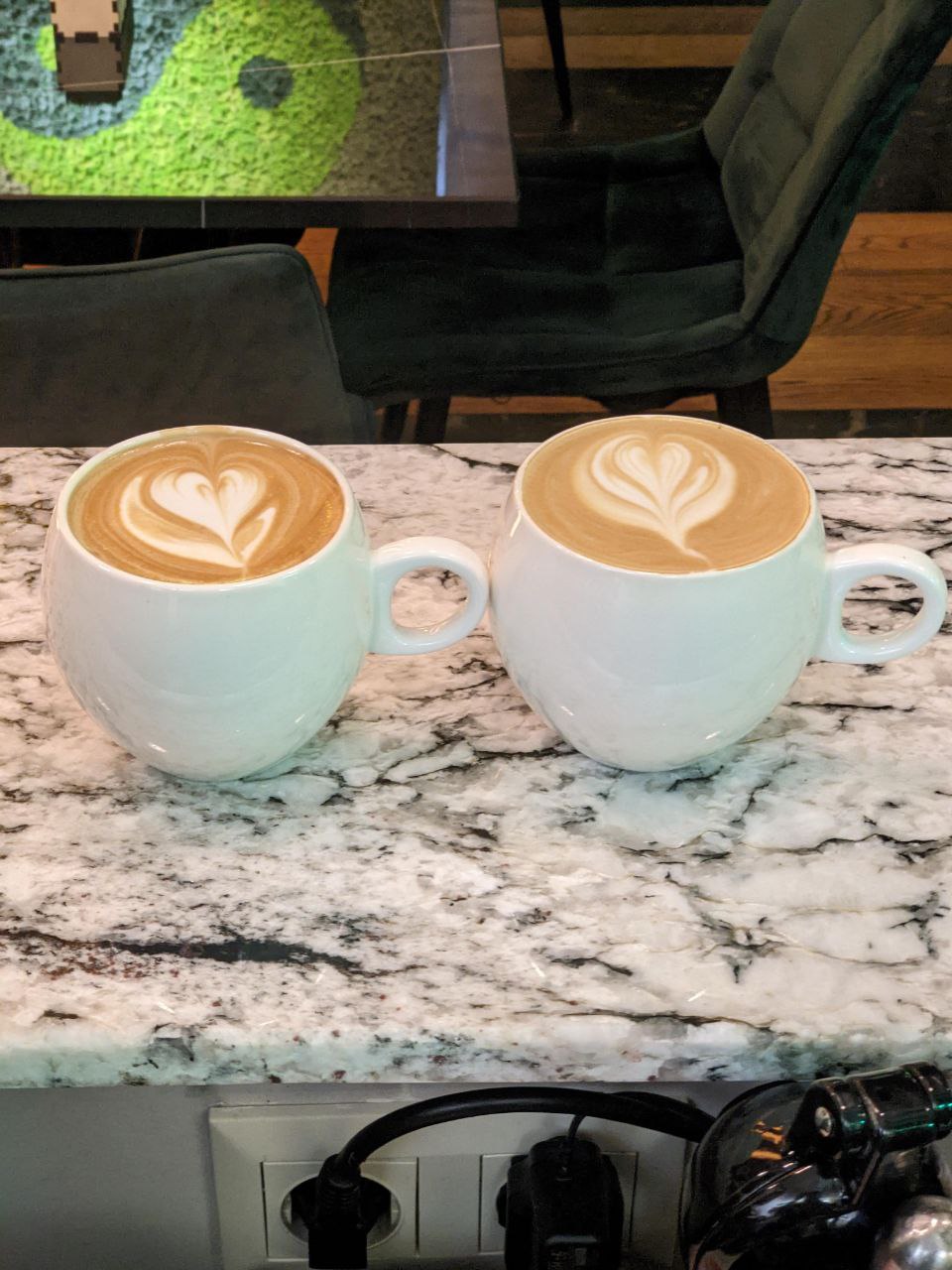
I was a complete zero at it: scared, confused, and slow to pick things up. Thanks to Katya for her patience; she was my colleague and my first mentor. She taught me how to dial in the grind, steam milk, and nail the coffee basics.
That café is where I learned to make a decent cup of coffee. I even got to the point of doing basic latte art.
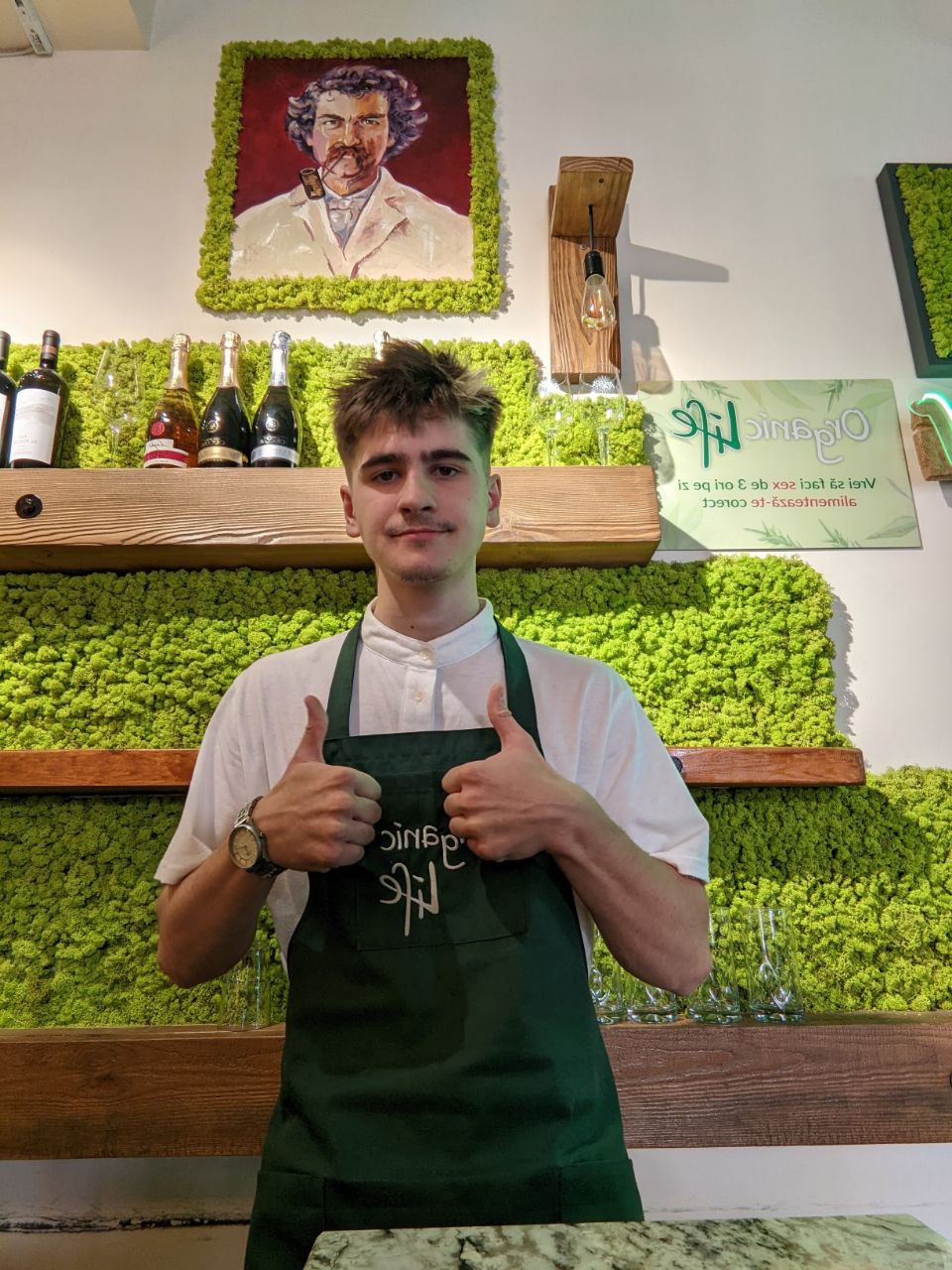
It was a vegan café with a focus on healthy eating: besides coffee, smoothies and detoxes were big sellers. Even working there, I never felt like a bartender. Something between a barista and a glorified drink pourer.
I wasn't planning on leaving: everything was slow, no real growth, but STABLE, and that was enough for me at the time. Then the end of the year rolled around, and it all changed. Vegan desserts and smoothies were still pretty niche back then, sales were low, and the owner decided to pull the plug: giving everyone a lovely New Year's gift: unemployment.
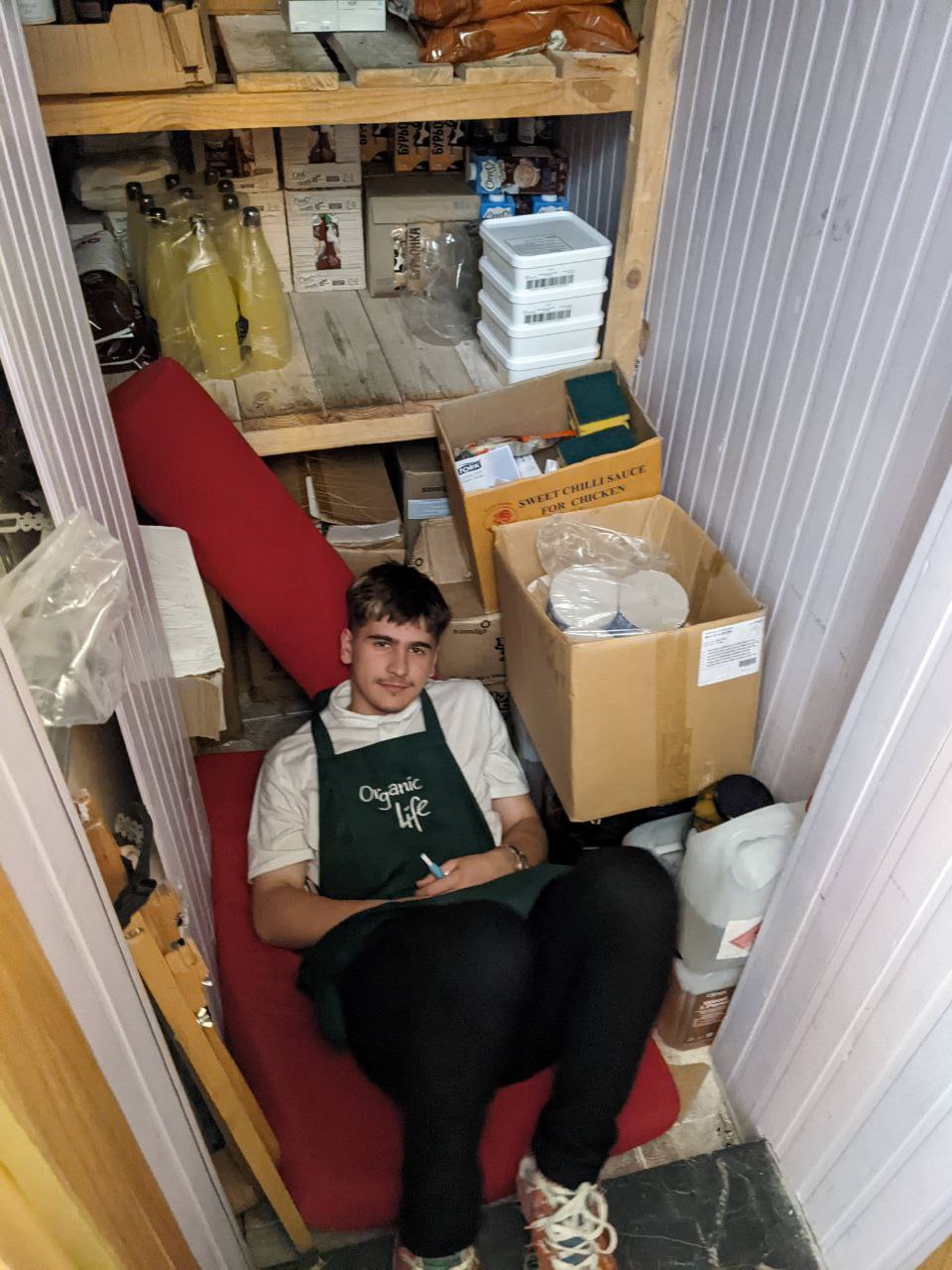
So there we were, hit with this "wonderful" news that we needed to find new jobs fast. Through our administrator's connections, we got in touch with the bar manager of another place: and they happened to be looking for bartenders. He agreed to take me and Katya on as bar trainees.
Just to be clear: at that point I could make coffee and throw some fruit in a blender for a smoothie. Knowledge and skills were basically at zero. They sent me the recipe spec, prep spec, and SOP in one big file from the restaurant where I'd be working after New Year's, and my eyes went wide. I understood almost nothing. WHAT IS A NEGRONI, WHAT IS A WHISKEY SOUR?!
It's funny to look back on now: at the time I was scared and anxious, but I had no choice.
My second workplace
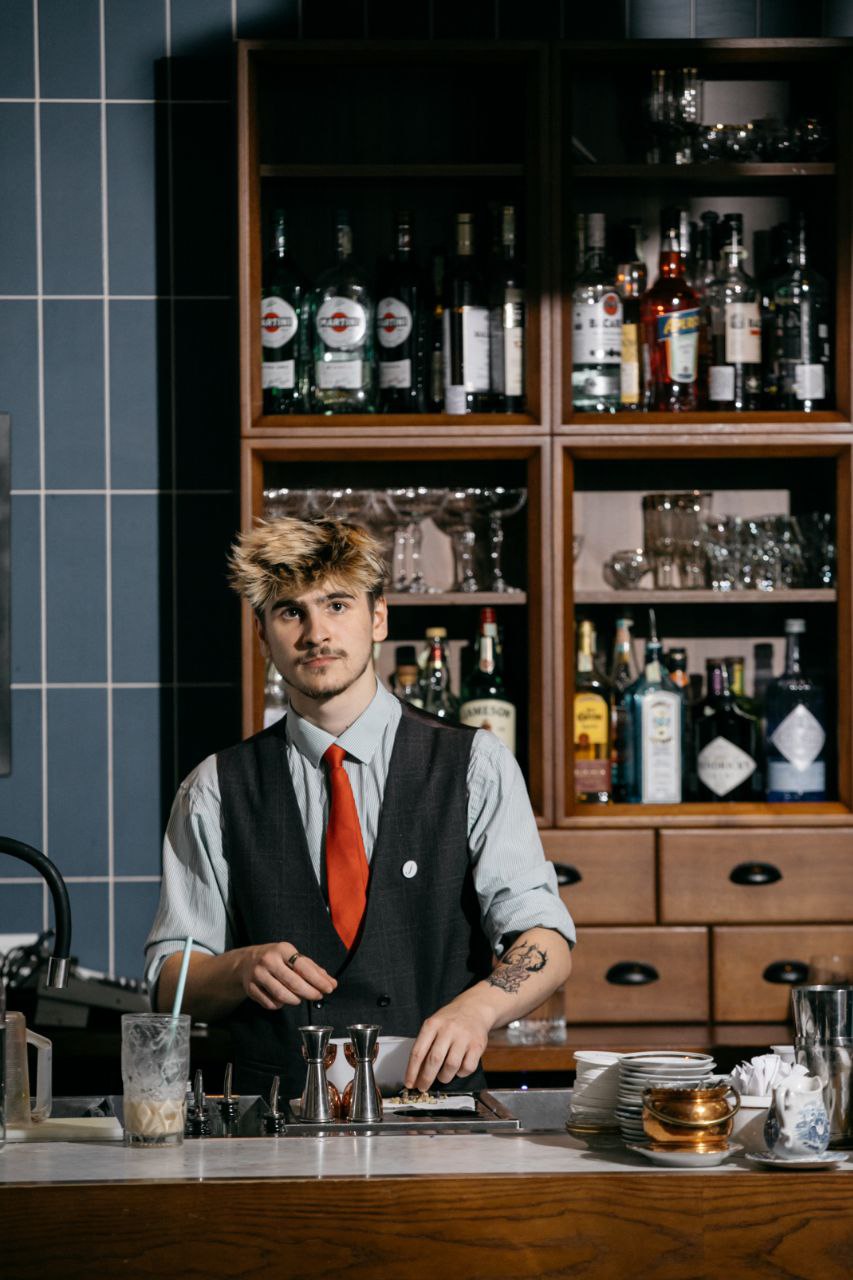
The year ended, and there I was, already interning at Julien (Julien Gastro Bistrot). It was a festive restaurant: that is how they positioned themselves, and that is exactly how it was for the guests: a high level of service, interesting and beautiful food plating, all waiters speaking with a French accent, and the cuisine being a mix between Moldovan and French. In the evening, the venue's format changed. They played a speech from the chef, and from a restaurant with good food and cool service, the place turned into a party spot: DJs came in, everyone danced, and there was a ton of people.
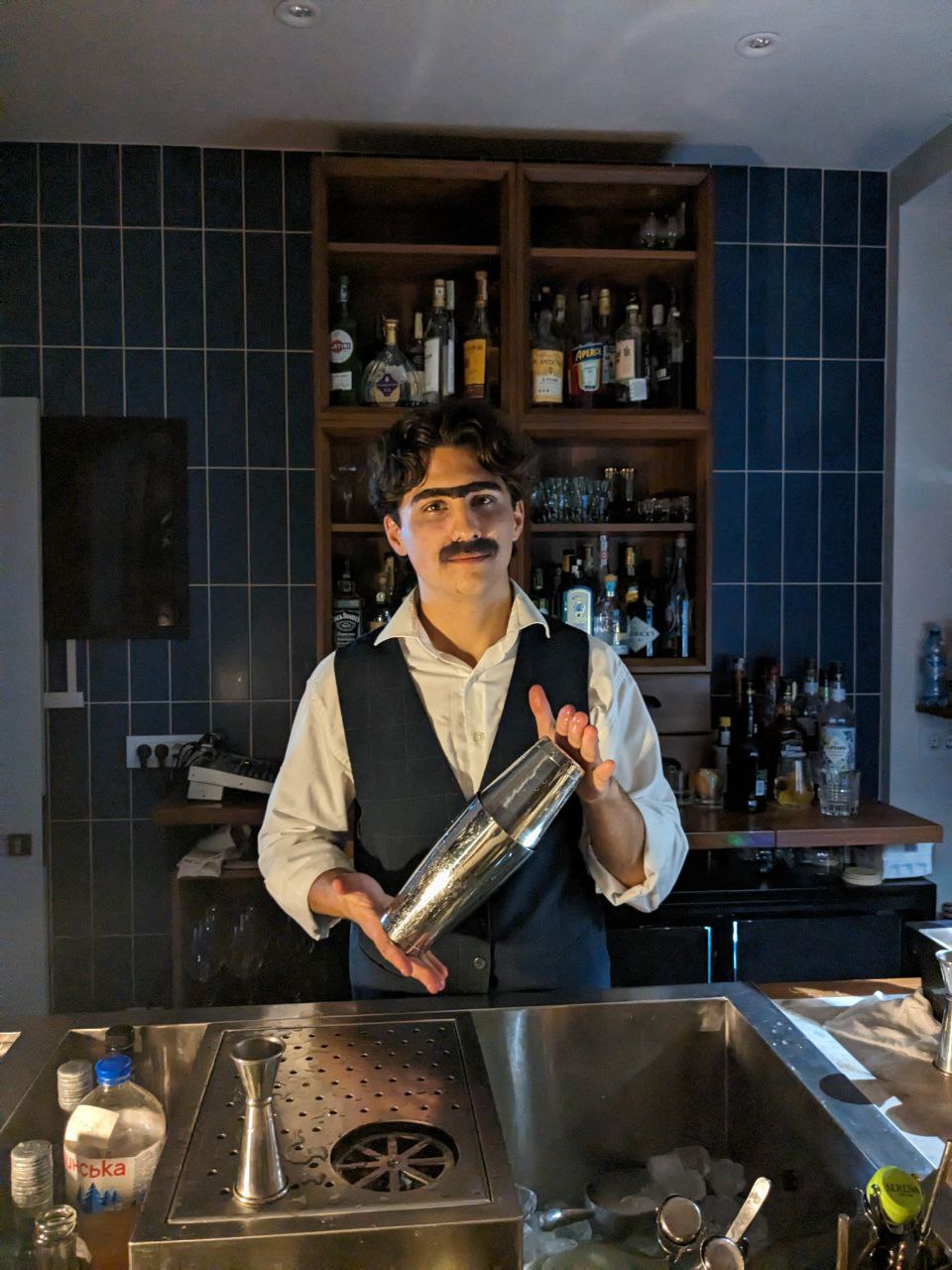
And somewhere in this party scene, I show up, completely green: "Hello, I can make you a cappuccino." I had to learn fast, memorising the spirits, cocktails, and various new techniques.
There was a funny moment on one of my first shifts. I still didn't really know where things were kept, and they tell me: "Today you are working the party, and paired up with a bartender who has only worked the day shift." In other words, it was a new thing for the both of us. What was happening on that shift was... something else. I had never experienced being so swamped at that time, and neither had my partner, even though it wasn't his first month working at Julien. All in all, it was quite something.
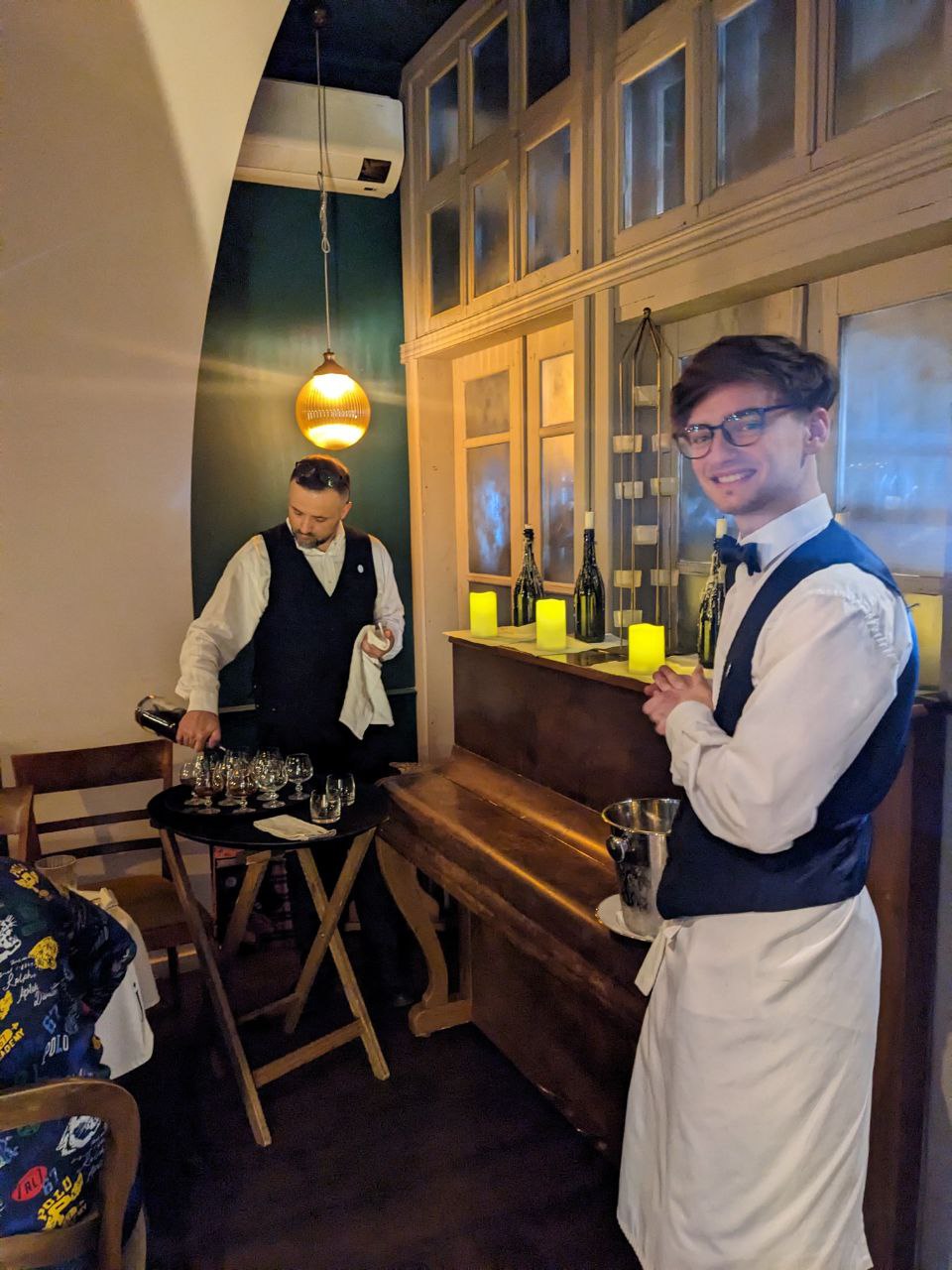
Julien had a lot of great people, some of whom became close friends: we're still in touch. There was bar manager Adrian, who taught me a lot and was just genuinely great to work with. We have plenty of good stories together.
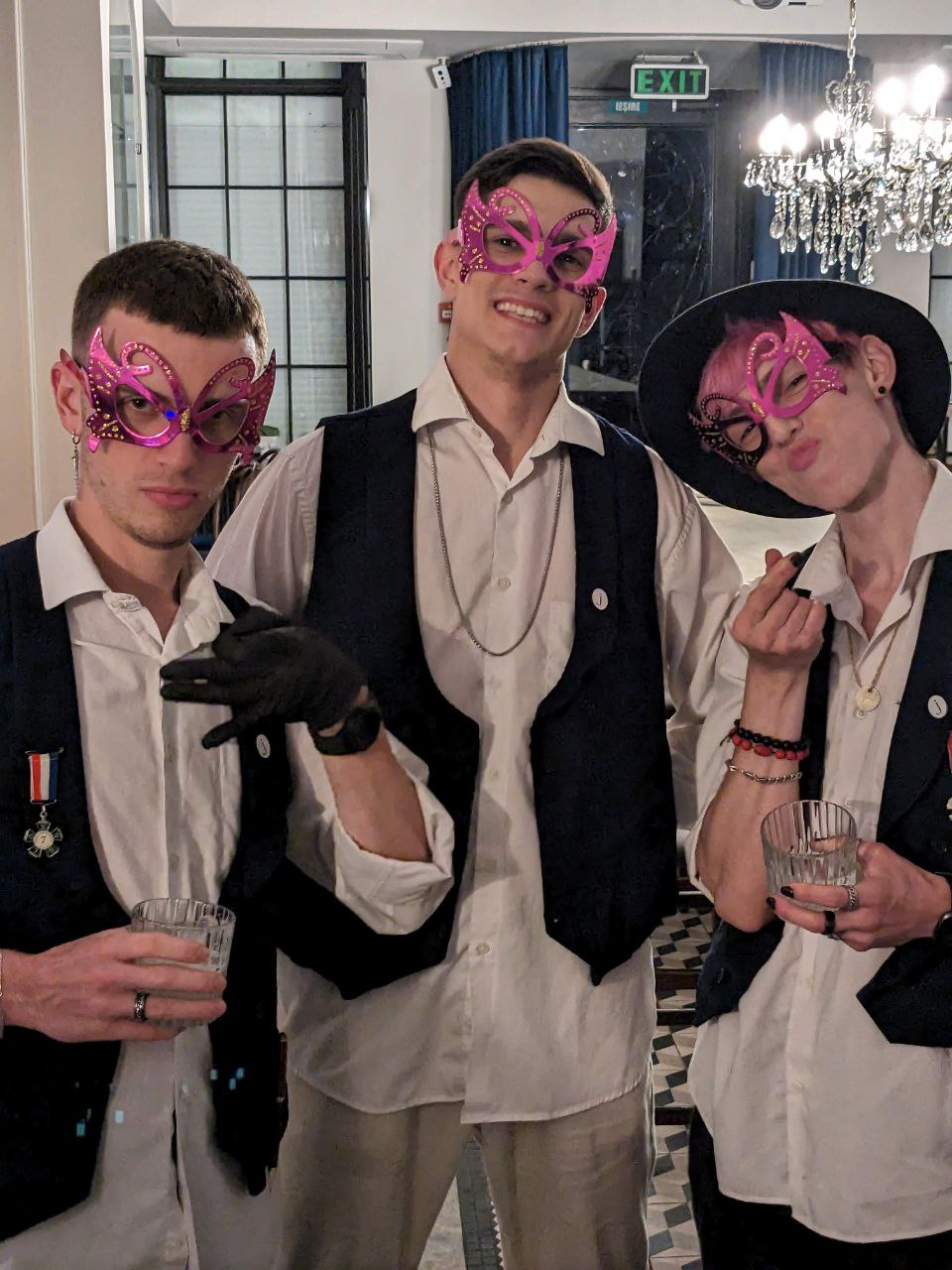
Time passed, I got my cocktails and spirits down, and started feeling a lot more comfortable. But, as we know, all good things come to an end, and that is what happened here. Internal problems started to surface, and it was getting harder and harder for me... At some point, the work with suppliers fell on me, along with a lot of shifts.
I managed around 15 active suppliers at Julien (out of roughly 28 industry contacts I accumulated over time). This responsibility fell on me unexpectedly, so my priority was pure operational survival rather than building complex procurement systems or squeezing vendors on price. My main goal was making sure the restaurant never ran out of essentials: wine, spirits, fresh fruit, glassware, or coffee. Because of my young age at the time, suppliers often did not take me seriously, so my biggest challenge was simply earning their respect and getting them to listen so deliveries arrived on time.
To be completely honest, I did very little systematic waste or cost optimisation on preps back then. I was buried in day-to-day ordering and working long shifts behind the bar. We often finished service late at night and had to open again the next morning, so there was no point going home: I frequently slept upstairs at Julien, where we had a bed and a shower. I barely tracked spec sheets or prep waste at that stage. Looking back, living through that exact chaos without proper systems is what later pushed me to build structured tools and write about bar optimisation.
I slowly started to burn out, and so, at a certain moment I said: "Guys, I am leaving." At that point, I already knew where I was going: a fired waiter was working at a new venue and invited me to join him.
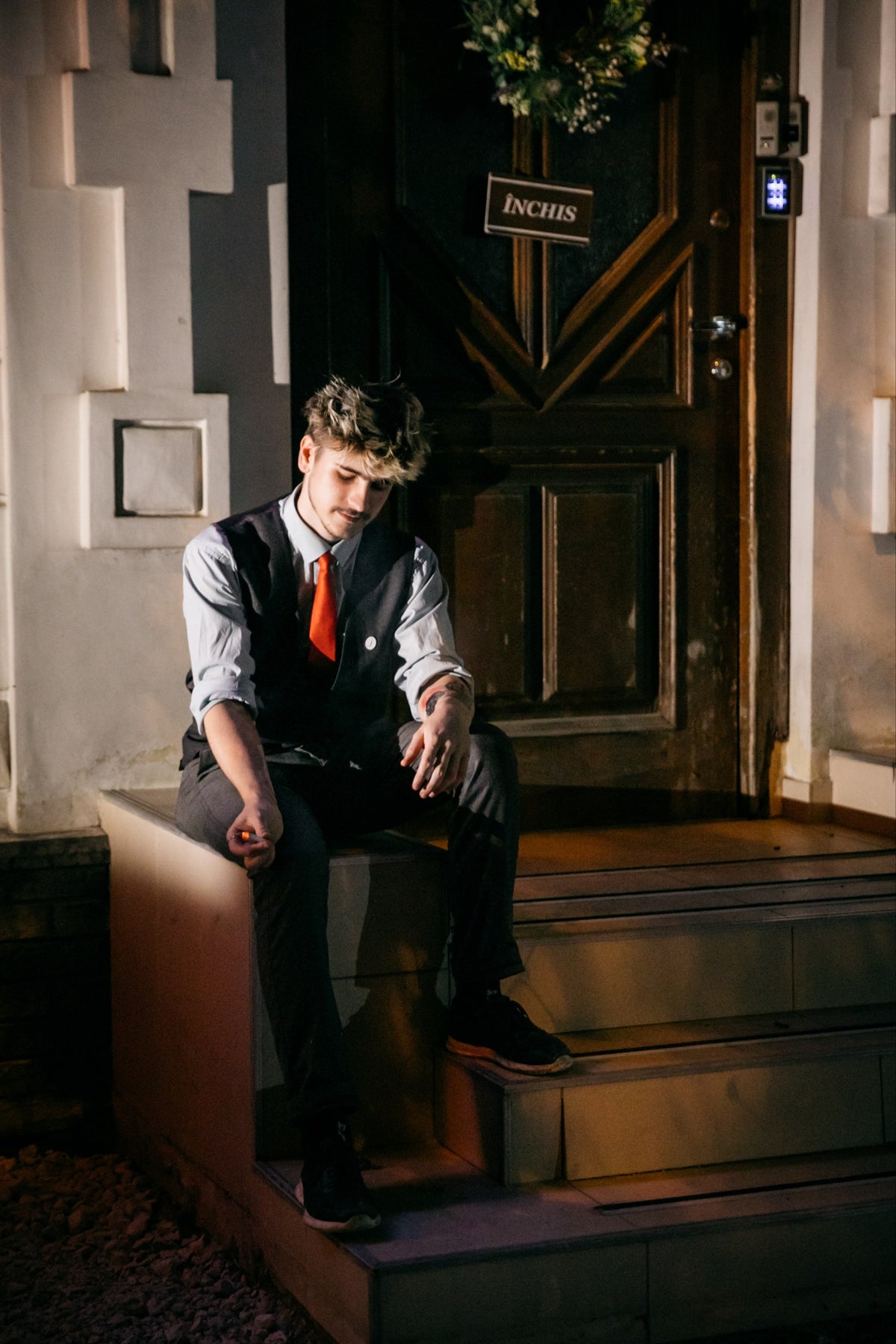
So I worked my notice period and left peacefully. By the way, I was one of the few who left without a scandal and of my own free will.
To sum up how I grew during my time at Julien: I learned how to make cocktails (more or less); I figured out how to work with suppliers; I learned a bit about alcohol; and by that time, I had already started to like what I was doing.
My third workplace
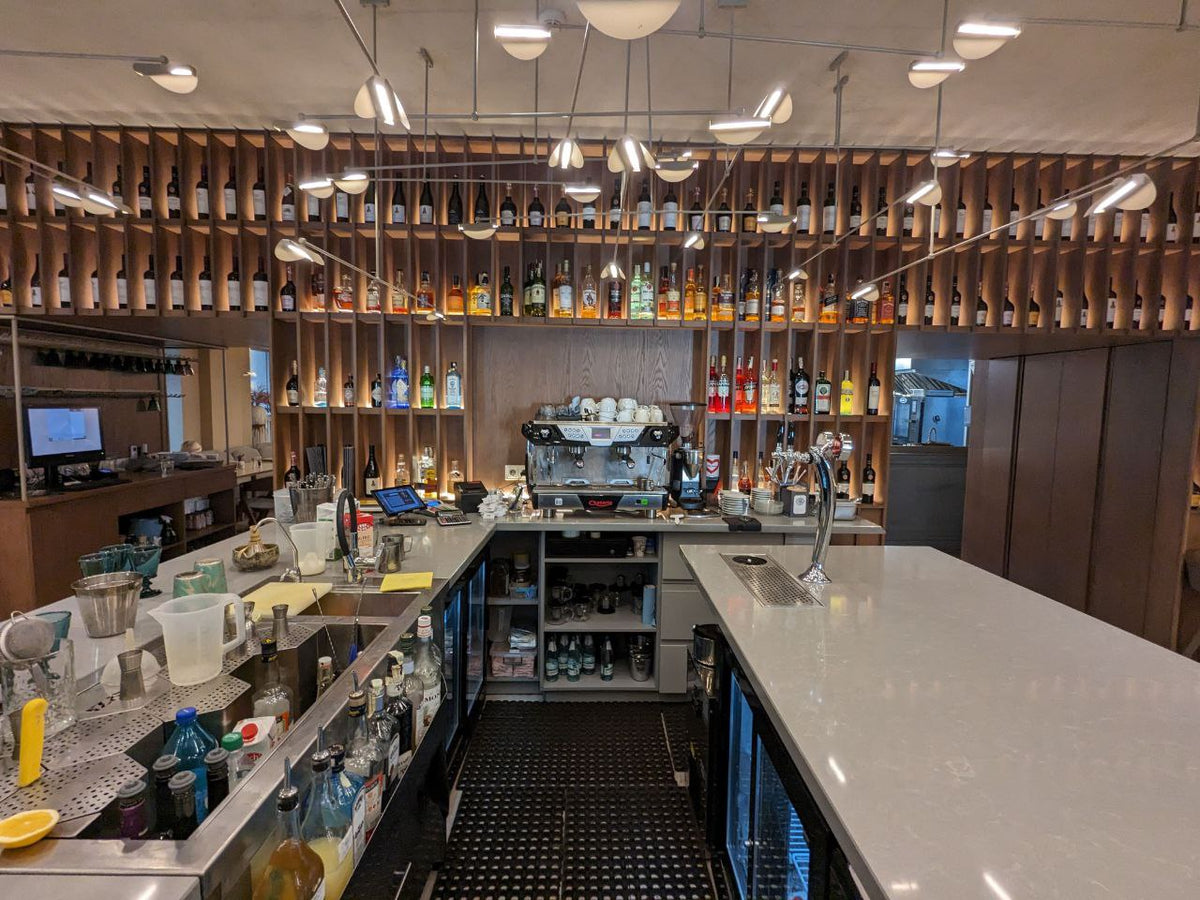
I went to the interview with Yakov, he was the bar manager at Dayzi, passed it without any major issues, and soon started my internship. Dayzi was something between a cafe and a restaurant.
Dayzi: a venue that earned very well during the terrace opening season. That is exactly when I learnt to work on several fronts at once. You can see the bar in the photo above, it is divided into approximate zones: the coffee and tea zone, the cocktail zone, the beer zone, and the fresh juice zone. And during busy moments, you need to balance between all the zones simultaneously.
I want to say a special thank you to Yakov: he is an old-school bartender and wasn't into new techniques at that time, but when it came to the basics of alcohol, he trained me very well. Plus, he is simply a very good person!
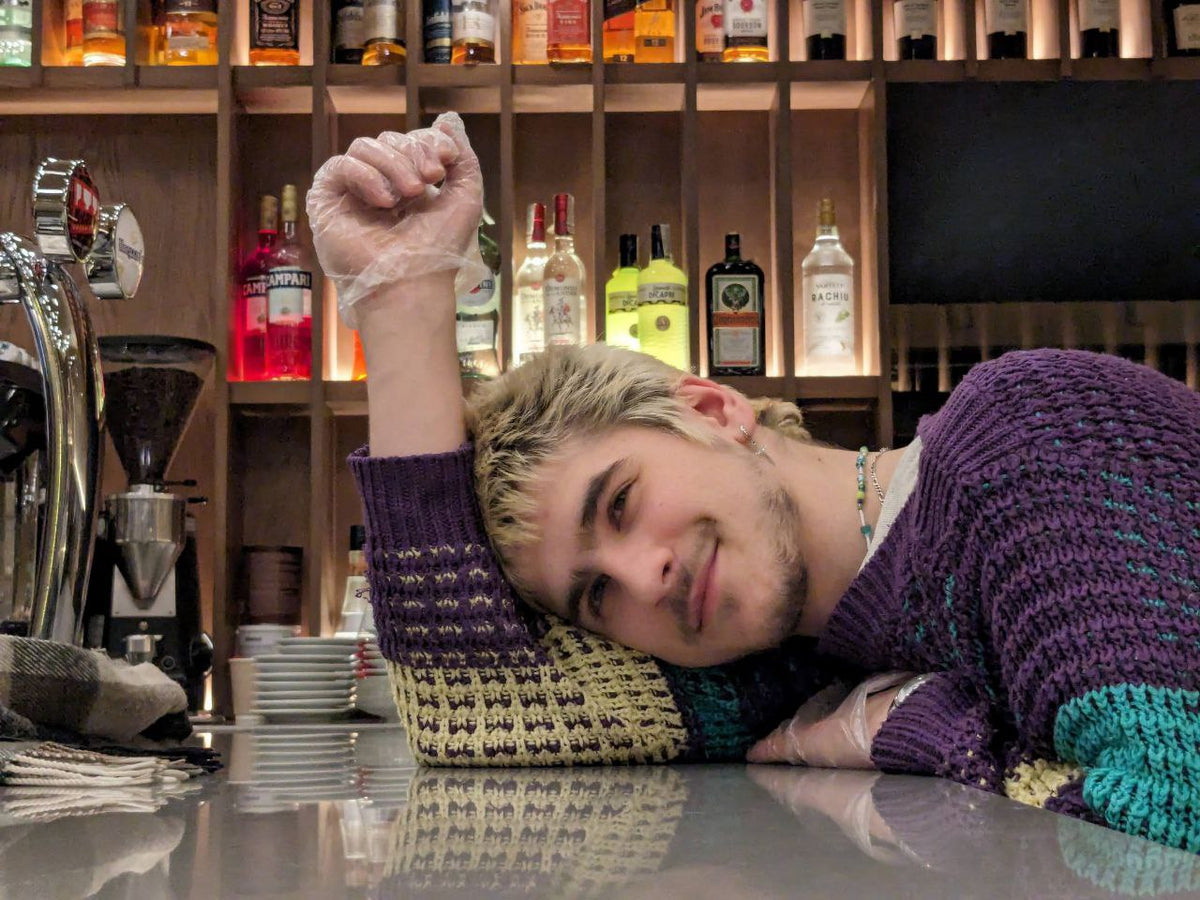
During my time working at Dayzi, I improved my knowledge regarding alcohol and enhanced my service behind the bar, applying the knowledge from Julien. Dayzi had a contact bar counter, which was new to me.
And here was the turning point: towards the end of my work at Dayzi, I started actively experimenting with drinks; I took an interest in new techniques that I hadn't applied up to that time.
But here two generations clashed, the new and the old school. And I felt that it was time for me to change something and move on, to learn new things, to grow.
Right around this time, my friend Yura (the one with the drawn-on moustache and unibrow) tells me that a certain cocktail bar is looking for a bartender.
It was one of the coolest cocktail bars in Chișinău, and it remains so even now.
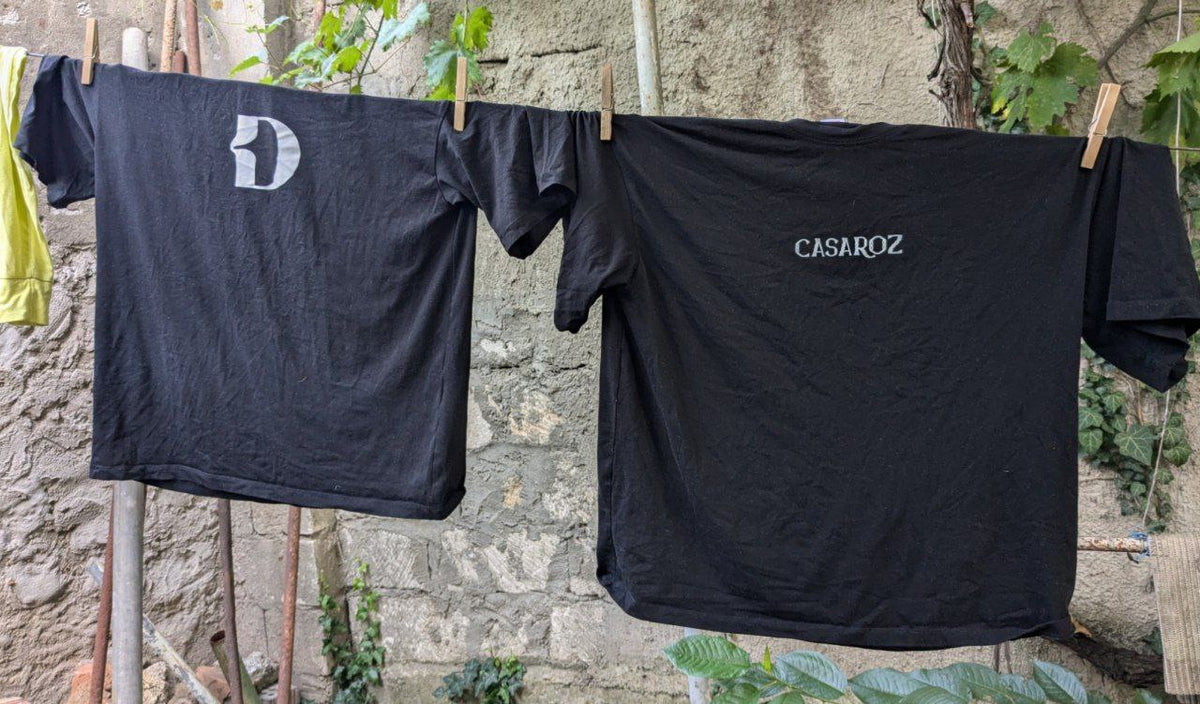
I was genuinely scared: afraid I didn't know enough, that I wouldn't be able to cut it, but I pulled myself together and wrote to the bar manager of Casaroz (Casaroz Bar), Dima. We met with him and his teammate Tolya, talked it through, and soon I started my traineeship. At that point I was juggling two jobs, and for some time I was still finishing my shifts at Dayzi.
My fourth workplace
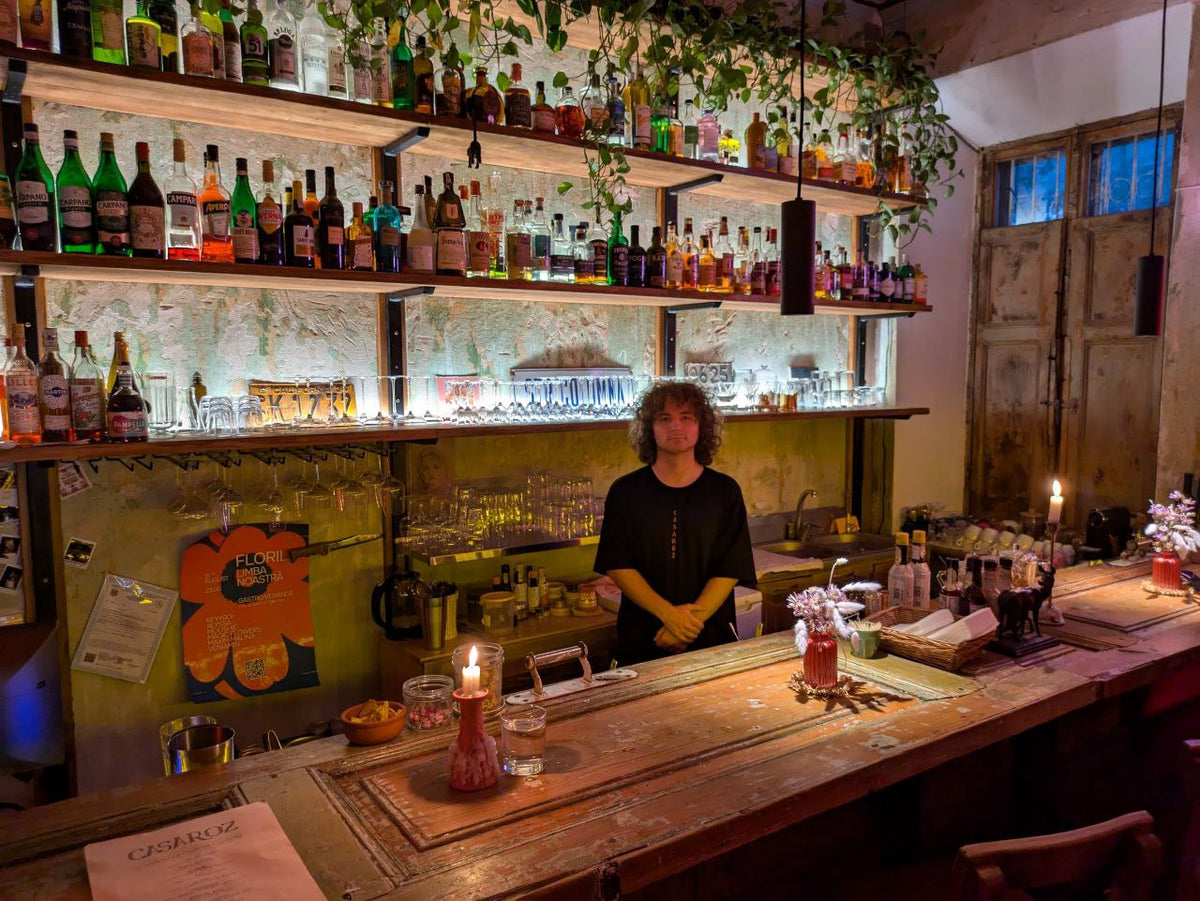
This is where the most interesting part of the journey begins.
Casaroz is a cocktail bar with a fully contact bar counter, which focuses on signature, authentic and unusual cocktails, and a cosy and pleasant atmosphere. It is a small bar, with 40 to 50 seats, and on a busy shift we sold 100 to 150 cocktails a night.
Since opening, only two bartenders had worked at this venue, Dima and Tolya, plus one barback. They were looking for replacements because they decided to open their own bar: it has been open for a long time now, it is Bar 27. Danu and I were supposed to be their replacements. At that time, Danu was working at Covor (Covor Bar, today one of the most popular bars in Chișinău) and was looking for a new place.
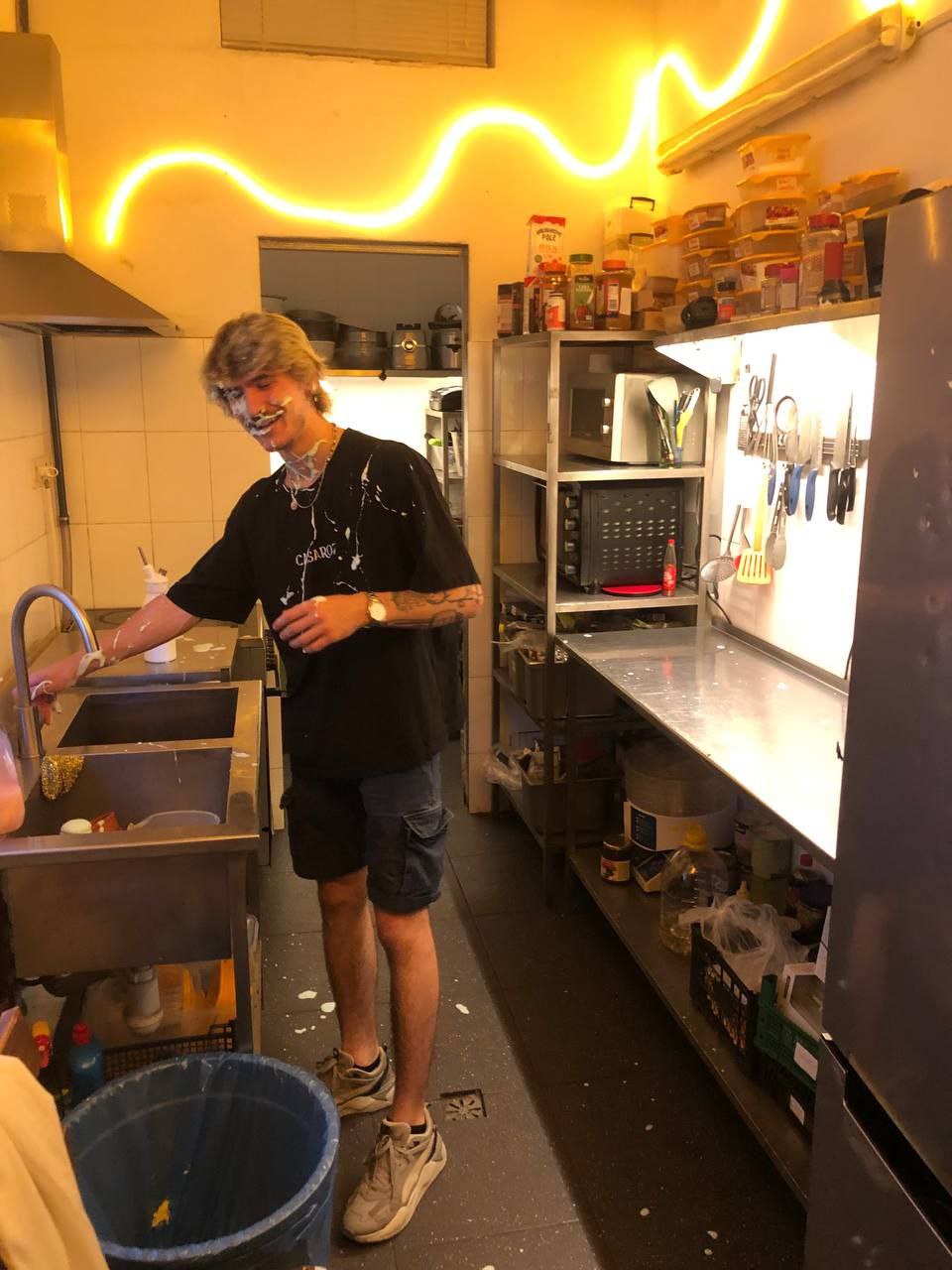
The traineeship started with the guys showing us how and what they made: various new techniques. For me, it was a new world: I was learning what milk washing and fat washing were, how to make different foams for cocktails and so on: it was fascinating.
A huge amount of pressure fell on Danu and me: Casaroz was a very popular and well-known bar, we needed to keep the cocktails at the same level, at the very least.
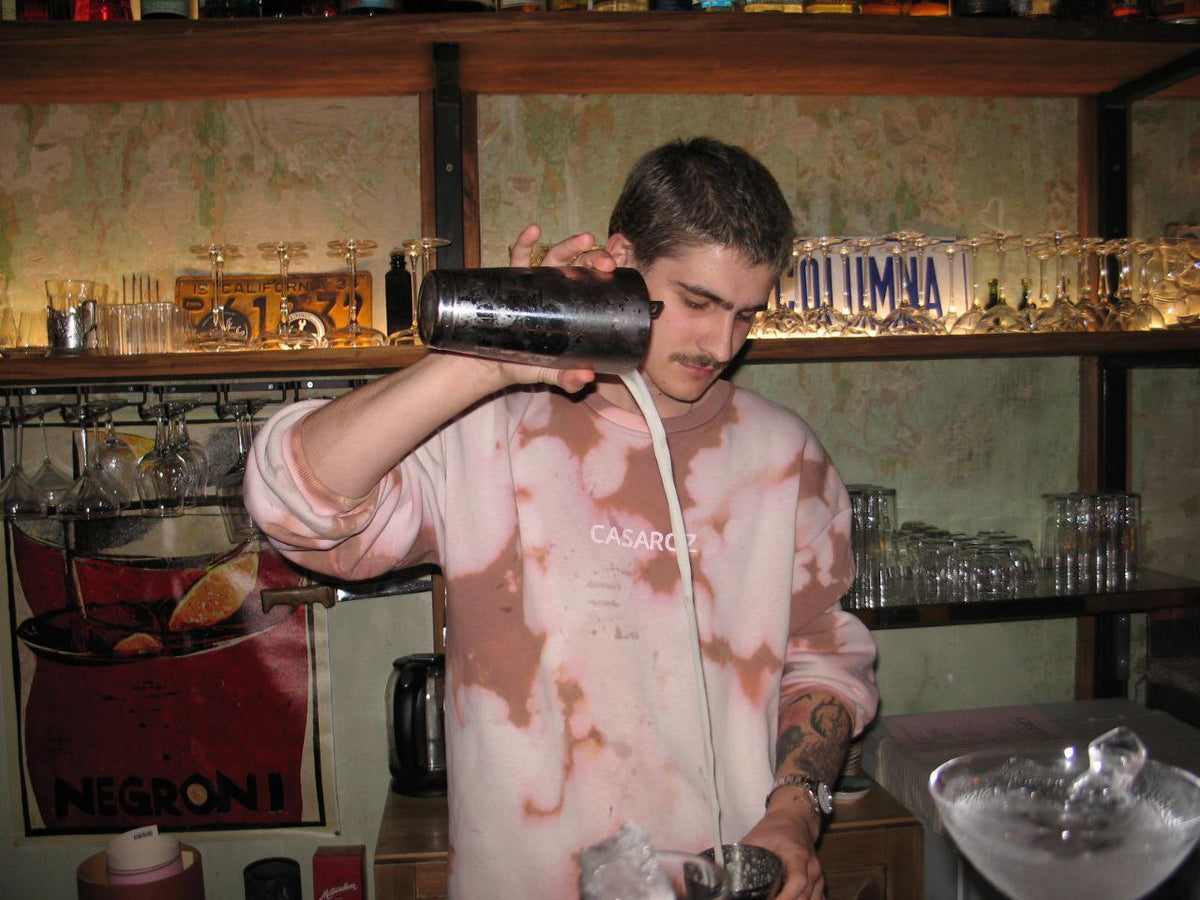
When our traineeship ended, the guys left for their project, and the reins passed to us.
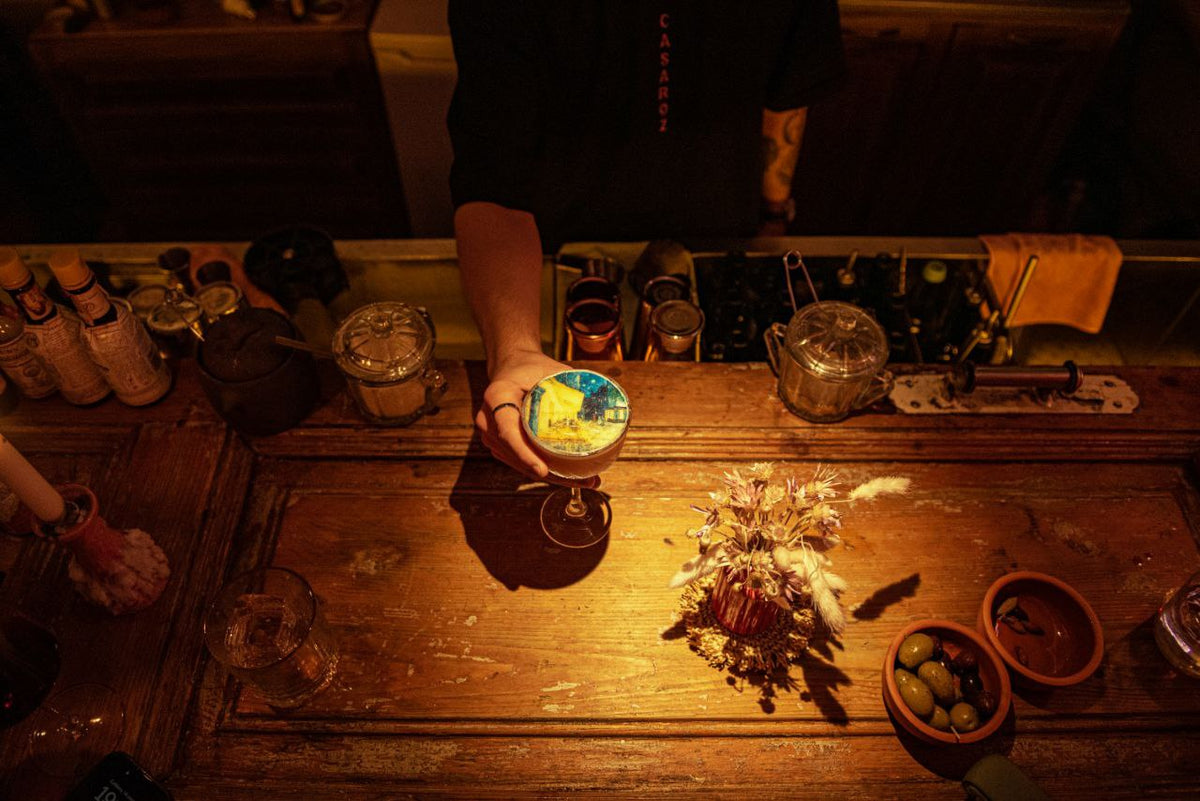
Casaroz provided huge room for experiments and freedom of action. We were always trying to make something new, something unusual, interesting. There were successful experiments, there were less successful ones, but regardless of the outcome: it was experience, and any experience is extremely important and valuable, provided you draw conclusions from it, of course.
I tried not to miss any masterclasses, I went and expanded my knowledge. While I worked there, I felt a responsibility: I didn't want to lose face in front of a guest who would ask me about gin or rum, or about anything at all: a good bartender must be prepared. I studied, and read more and more.
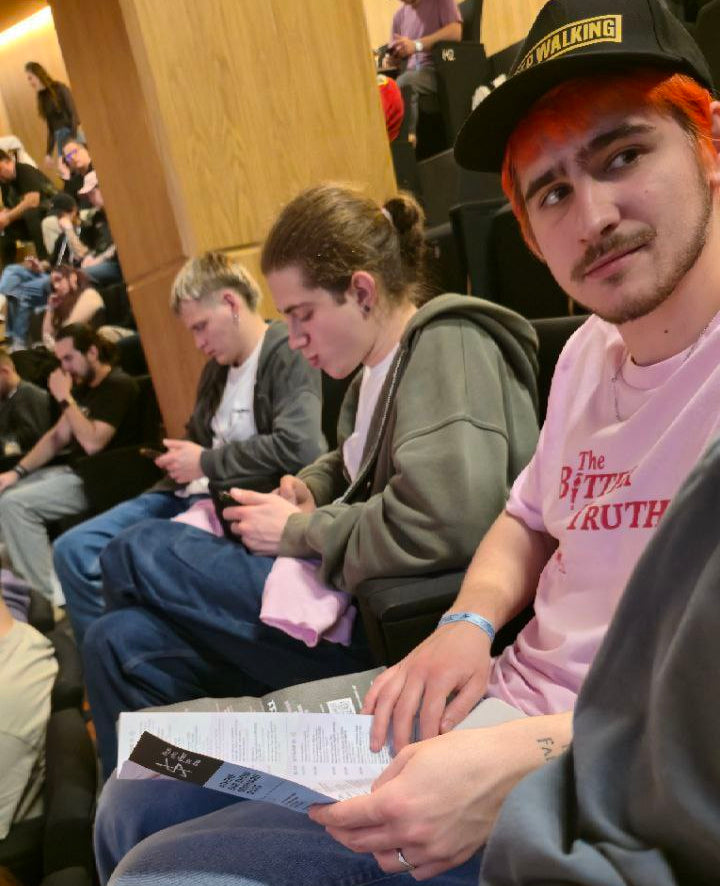
I want to talk about service separately. It's not enough to just be good at cocktails and know the basics of spirits: a guest should leave you with a pleasant feeling inside, their evening should become better: that is what we stand behind the bar for. Here I learnt to understand guests better, to understand what they want, to be more attentive and responsive.
During my time working at Casaroz, I gained quite a few guests who come specifically to me, to drink my cocktails and the vermouth I made myself, that is worth a lot.
In my time there, 16 to 18 of my own cocktails made it onto the menu. I created and tested many more, and I always made seasonal drinks. Creating cocktails and doing R&D for Casaroz was not my job. I just loved doing it, and guests loved my drinks. At one point, 8 of the 26 cocktails on the menu were mine. Today, almost a year after I left, 7 out of all 24 cocktails on the menu are still mine.
My vermouth was a complimentary drink, made only for that, around 6 litres a week. It was never for sale, but guests came back asking to buy it, even by the litre.
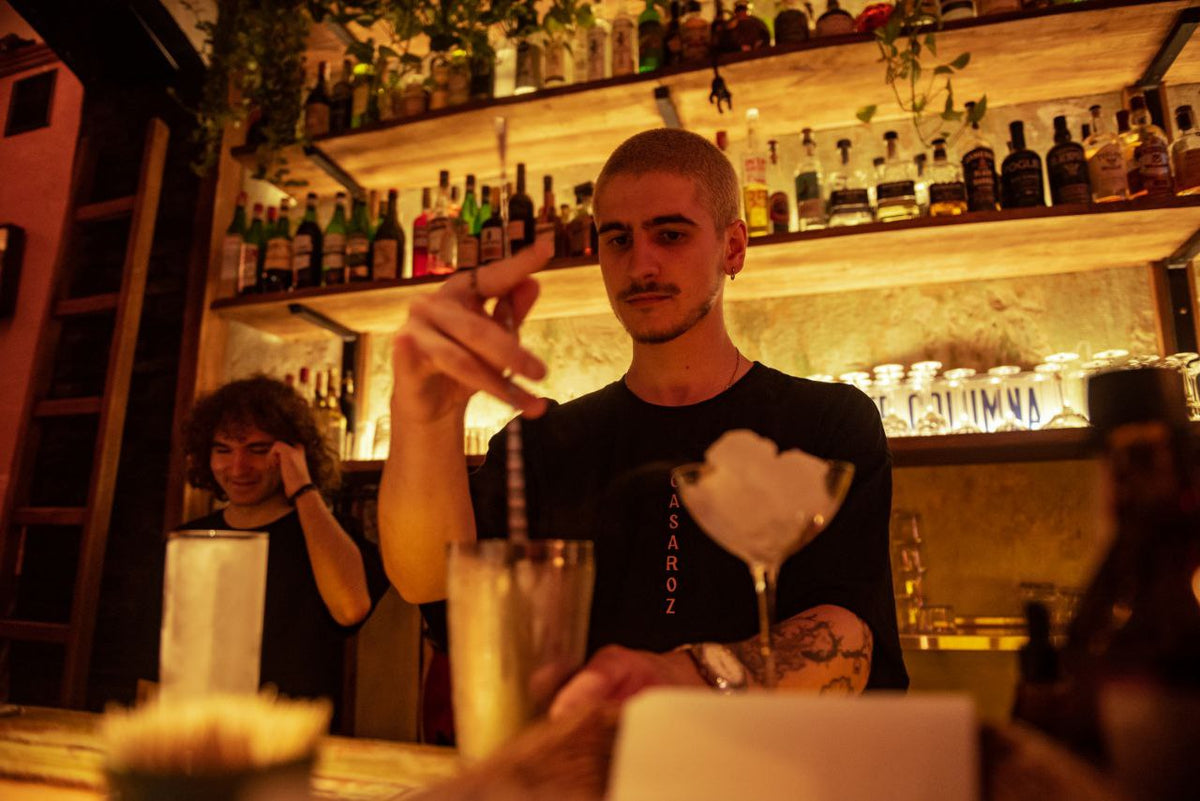
Also, during my time there I met a lot of people: interesting and such diverse people always came to the bar. One evening, a high-ranking official was celebrating their birthday with us, and the President of Moldova, Maia Sandu, came to visit: I was surprised then. :) At Casaroz I met Xenia (Nia Nova), my wife: she was my guest, I made her various twists on the classics, and even named some cocktails after her. And while I was still working at the bar, we managed to get married. This is another point towards the fact that you need to be attentive to your guests: who knows how it will all end. :)
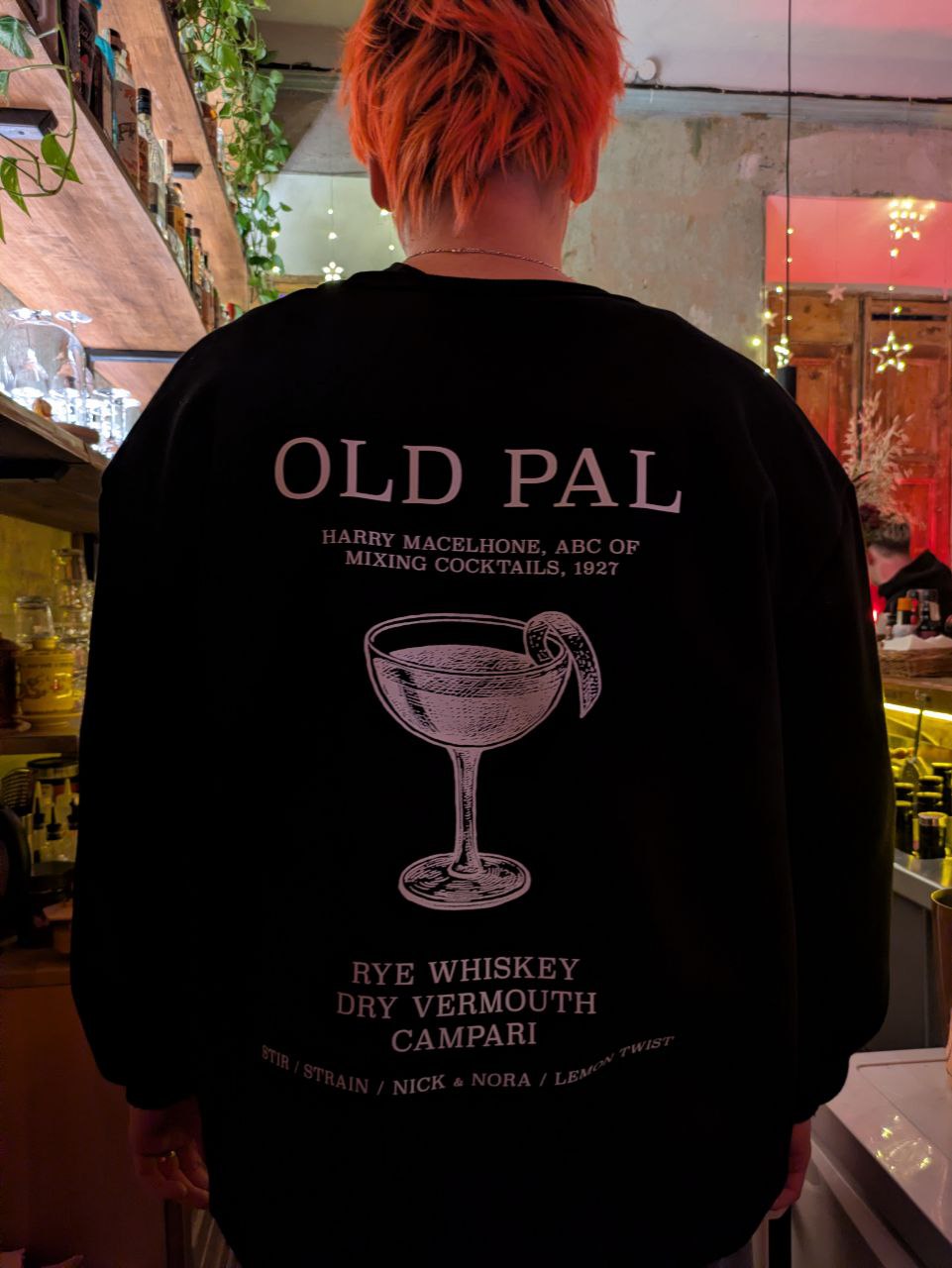
Nia and I started thinking about opening our own venue: this was still during my time working at Casaroz.
We were thinking through the venue's concept, its idea, making a business plan, looking for a venue for a long time, searching for an investor. And then the moment came: we found a space and decided to work on our project more thoroughly. I informed the guys that I was planning to open my own bar, worked through January, and left.
An attempt to open our own place
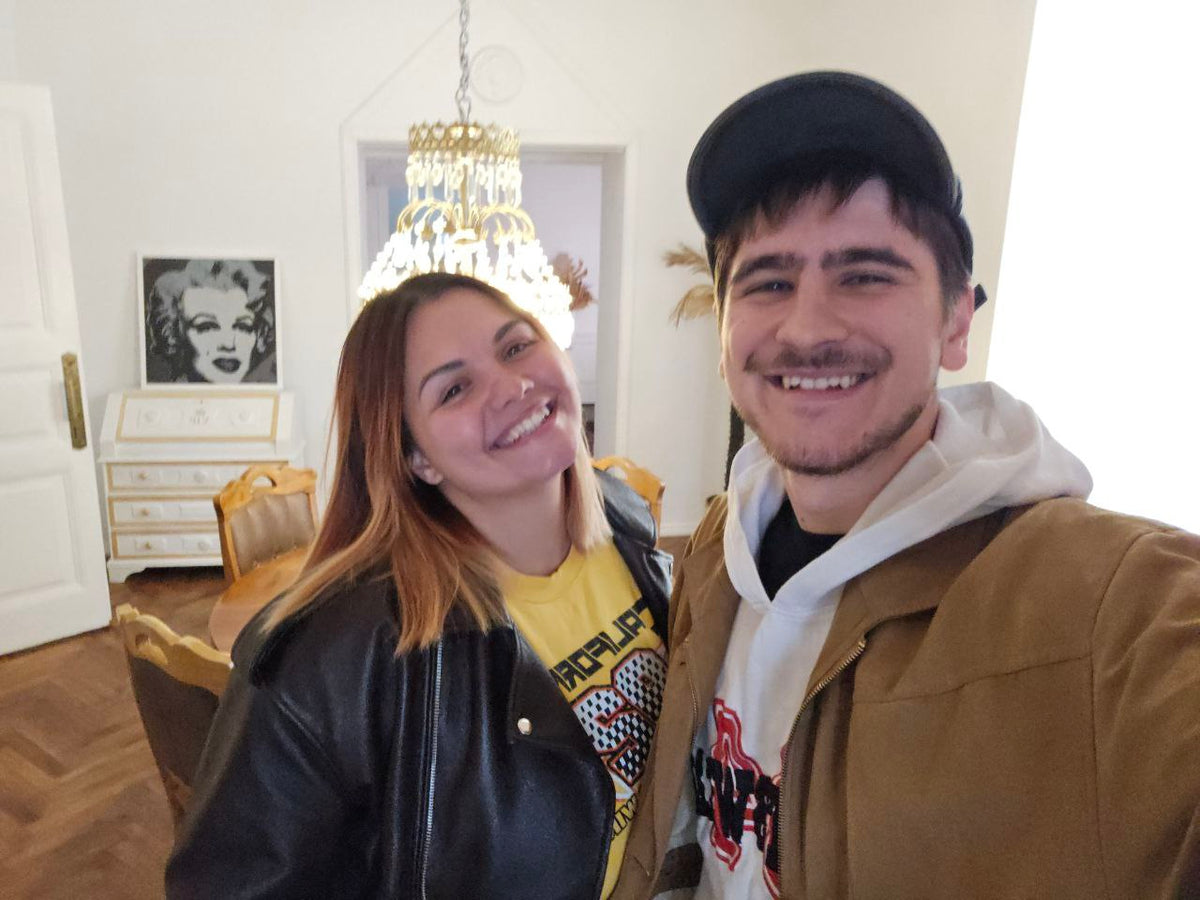
As I have already said, we spent a long time looking for a good location that would also fit the concept, and as soon as we found it: we rented it so as not to lose it. It was a historical building from 1861, it fitted perfectly into our idea. The venue we were planning to open was called History CBC: Cafe, Bar, Community. We wanted to focus on the history of Moldova, and Chișinău in particular. We had a very ambitious idea: besides the bar, we wanted to create a historical community, we planned to collaborate with museums and theatres, create exclusive events, exhibitions, and so much more.
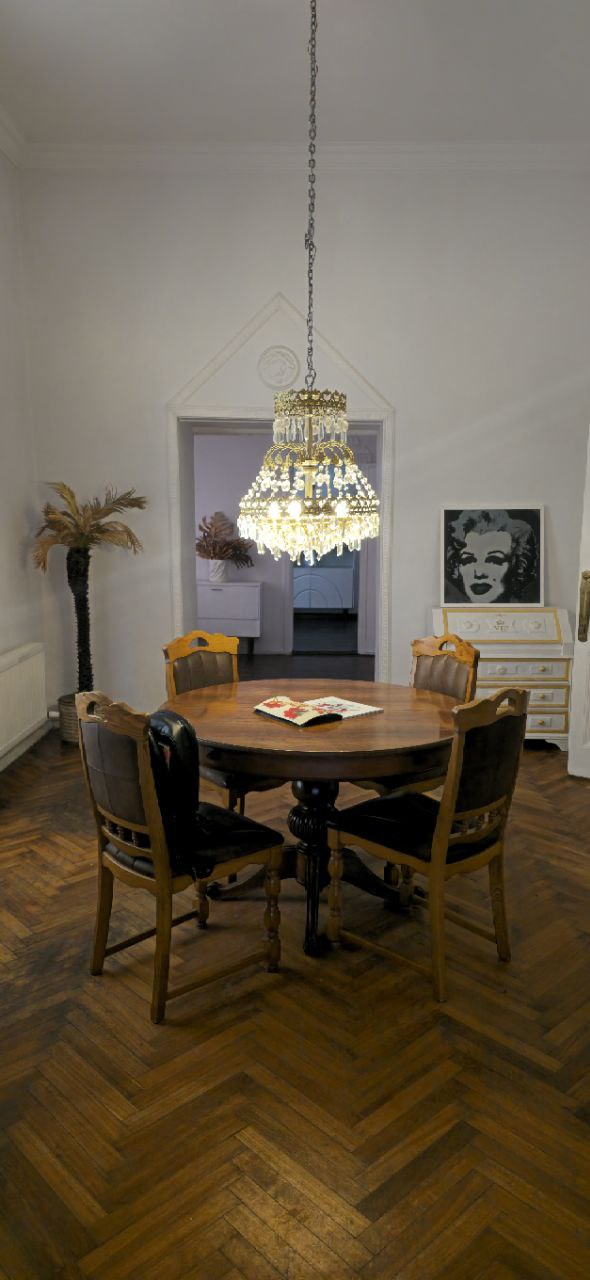
We had already registered the firm, hired an accountant and auditors, and started full-scale work with the paperwork to reclassify this historical space from residential to commercial: it is not a fast process. And then, sometime around January, we lost our main investor. I didn't think we would lose an investor with whom everything had been agreed.
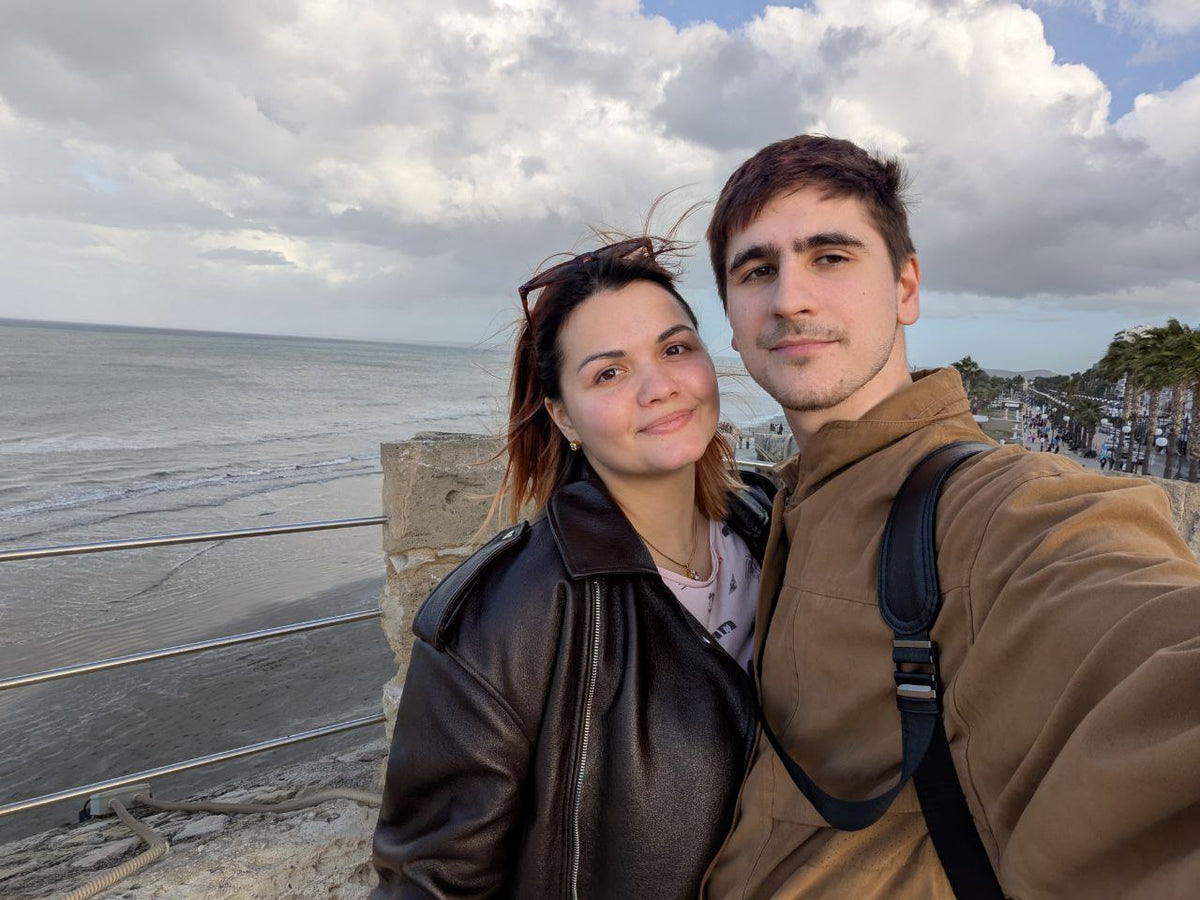
We were spending a ton of money and trying our hardest to find ways to return it and attract a new investor. By that point, we had found another partner to work on the project, but even the three of us couldn't manage to attract investments. Time was running out: if the commercialisation process went into full swing, there would be no turning back: such was our agreement with the landlady. We already had to convince her to let us open a bar in this historical building, and she agreed because she genuinely loved our business plan. Then came the turning point: my wife and I decided to fly to Cyprus for a few days to clear our heads. While we were there, we honestly discussed how things stood and the position we were in. We had to make a decision: continue losing money and hope to find an investor, or shut down the project and accept all the losses we had already incurred. By the end of the conversation, we had our answer: we are closing the project.
Where I am now
And here we are, right at the point where we are now. I decided not to go back behind the bar, so as not to be tied to a specific place: my wife works remotely, and if I also work on distance, then we will be able to travel much more and feel like free people. I realised what I want to do now: I want to write. I wrote the Guide to the Classics, created Cocktail Architect and keep developing it to this day, and I write articles on all kinds of topics across hospitality.
I am the developer of Cocktail Architect. I built it from scratch and in public as a solo developer and bartender, without external funding, relying on real shift experience and feedback from the hospitality community. Today, the sandbox includes nearly 600 ingredients, 100 classic recipes, and a dual-acidity calculation engine tracking both titratable acidity (TA) and pH alongside distinct flavour, umami, and texture parameters.
I also look after how people find us on the web. In a 28-day window in November 2026, the number of times our website appeared in Google search grew to about 19,000, up more than 3,600%, and we got 188 clicks. Some of our articles reached the first page of Google and were quoted in Google's AI answers.
I wrote Chapters 3 and 4 of the Bar Optimization Guide, on preps and on the menu, and the sheets that go with them, the Zero-Waste Poster and the Menu Matrix Worksheet.
So now you are familiar with the brief history of my journey, and I hasten to assure you that it will only get more interesting from here, and you can watch it all unfold right before your eyes!
Cocktail Architect
The world’s first digital sandbox for bartenders
That Bartender Project makes Cocktail Architect. Nia Nova, CEO and CMO, and Oleg Volovei, COO and CTO, co-founded the company.
Try the free version first: it has no time limit and needs no card.
Work with us
Book a call
Every bar loses money and hours in different places. Tell us about yours, and we will explore with you what to fix first.
Get the Bar Optimization Guide for free
We are putting all our effort into writing the new Bar Optimization Guide. You will not find it on sale on the site: it will be included with a Lifetime licence or Premium subscription to our bar software, Cocktail Architect. Leave your email through the button below, and we will send you the Bar Optimization Guide for free as soon as it is ready.
Questions about Oleg’s path
Who is Oleg Volovei?
Oleg Volovei is a bartender and a co-founder of That Bartender Project, where he is COO and CTO. That Bartender Project makes Cocktail Architect. He started behind the bar in 2022 as a barista in a vegan café and worked in four places, the last of them the cocktail bar Casaroz, until January 2026.
How did Oleg start working behind the bar?
In May 2022 he had just finished college. A friend suggested he take his place as a barista at the Organic Life café, and he agreed. His colleague Katya became his first mentor and taught him the coffee basics, from dialling in the grind to steaming milk.
Where did Oleg learn to make cocktails?
At Julien Gastro Bistrot, where he started as a bar trainee in January 2023 after the café closed. He had to learn spirits, cocktails and new techniques fast, and the bar manager, Adrian, taught him a lot. There he also learnt to work with suppliers.
What did Oleg learn at Dayzi?
Dayzi was something between a café and a restaurant, with a busy terrace season. Oleg learnt to work several bar zones at once: coffee and tea, cocktails, beer and fresh juice. The bar manager, Yakov, trained him in the basics of alcohol, and towards the end Oleg started experimenting with new techniques.
What did Oleg do at the Casaroz cocktail bar?
From July 2024 to January 2026 Oleg was one of the two bartenders who took over Casaroz from Dima and Tolya, a small bar with 40 to 50 seats that sold 100 to 150 cocktails on a busy night. There he learnt milk washing, fat washing and cocktail foams, and 16 to 18 of his own cocktails made it onto the menu. He made his own vermouth, around 6 litres a week, and guests asked to buy it by the litre.
What was History CBC?
History CBC (Cafe, Bar, Community) was the venue Oleg and Nia Nova planned to open in a historical building from 1861. Besides the bar, they wanted to build a community around local history, with museums, theatres, events and exhibitions.
Why did History CBC not open?
Around January the project lost its main investor, and no replacement was found while the team kept spending its own money. After an honest talk, Oleg and Nia decided to close the project and accept the losses.
What is Oleg doing now?
He decided not to go back behind the bar. He wrote the Guide to the Classics and Chapters 3 and 4 of the Bar Optimization Guide. He is the developer of Cocktail Architect and keeps building it to this day, and he writes articles on all kinds of topics across hospitality.